



A Broad, Diverse Footprint
Runs across academic, community and rural hospitals plus federal systems like the VA and DoD — well beyond large urban networks.





Connect your product to Oracle Health (Cerner) patient data via standardized APIs — the second largest EHR in the U.S., with reach across Canada, the U.K. and Australia.
Runs across academic, community and rural hospitals plus federal systems like the VA and DoD — well beyond large urban networks.
Millennium is the flagship hospital system, PowerChart the documentation platform, and Cerner Ignite the FHIR API layer for external apps.
Oracle's 2022 Cerner acquisition is modernizing the API layer via Oracle Cloud. Options evolve fast, so track the developer portal.
Oracle Health exposes several integration frameworks by use case and data-access level — we build the pathway your product needs.
CareAware is Oracle Health's device connectivity and clinician mobility platform. It connects bedside medical devices, alarms and mobile workflows to Millennium, so device data becomes documented, chartable clinical information. These are the capabilities we build against.
Infusion pumps, ventilators and physiologic monitors publish onto the iBus enterprise device bus. Bedside association ties every stream to the right patient encounter before a single value reaches the chart.
Validated vitals from connected monitors write directly into PowerChart as clinical documentation. Nurses confirm instead of transcribe, and charting lag on vitals drops to near zero.
Secure clinician communication, care team assignments and patient data on smartphones, wired to Millennium context so the right alert reaches the right clinician with the chart one tap away.
Device alarms route through escalation rules to nurse call, RTLS and mobile endpoints. We build the filtering that separates actionable alarms from the noise that causes alarm fatigue.
Near real time physiologic waveform data feeds surveillance dashboards, early warning scores and AI models that need more than periodic charted vitals to detect deterioration.
CareAware device data combined with Ignite FHIR R4 APIs and HL7 v2 feeds gives applications complete clinical context: orders, results, meds and live device data in one integration layer.
From developer registration to a live production connection at a customer health system.

Register at code.cerner.com for sandbox credentials, API docs, and a synthetic patient environment.

Build FHIR API calls against the Cerner sandbox using code samples for auth, resource retrieval and error handling.

Submit via code.cerner.com with your use case, data scope, and security practices for Cerner's conformance review.

Each Oracle Health customer controls its own API access — their IT team configures the Millennium connection.
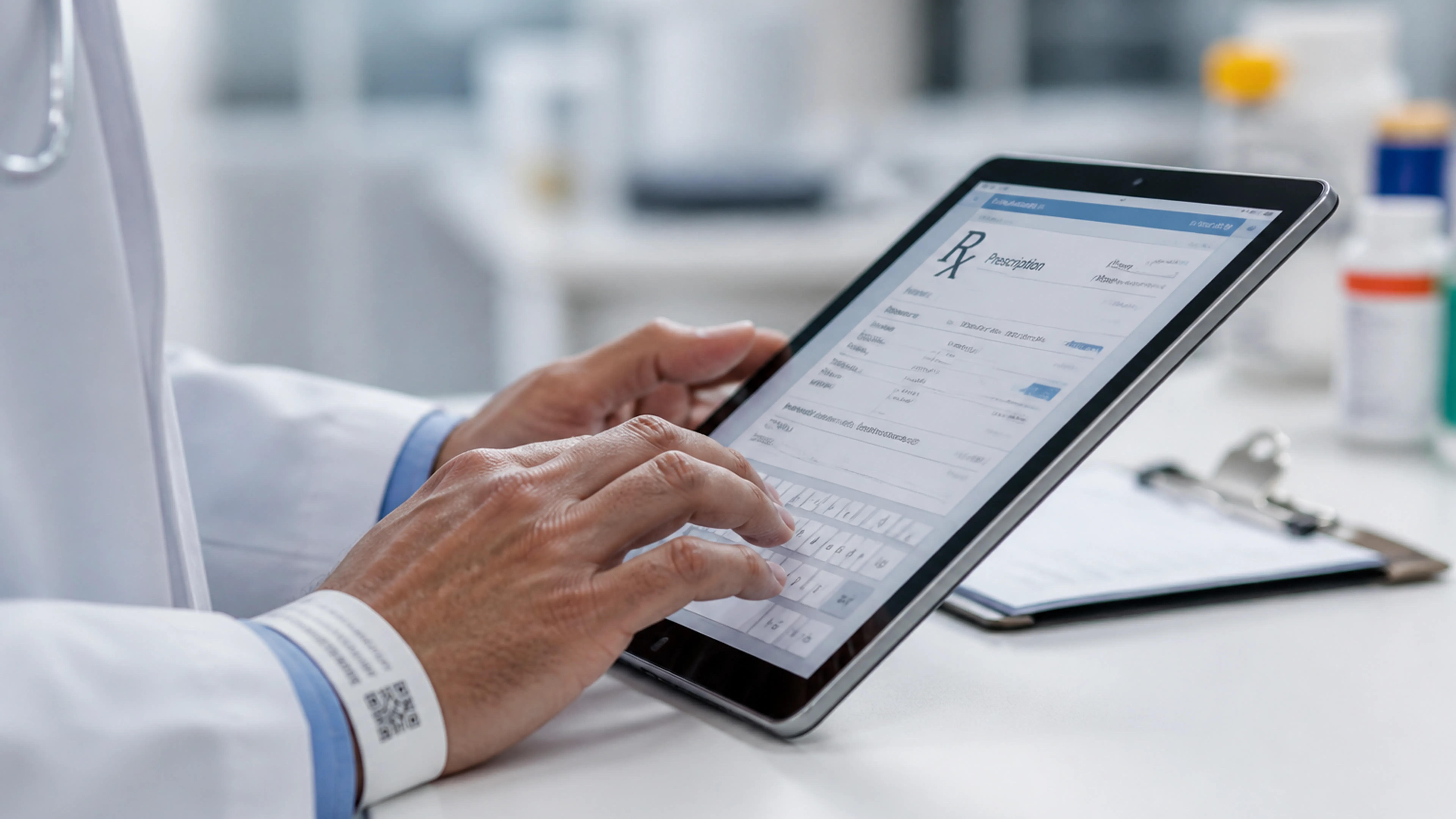
Connect to production and monitor API usage, token refresh, and FHIR updates as Oracle Health evolves.
Oracle Health's reach into federal, rural and community care makes it essential for products serving settings Epic does not dominate.
The VA — serving ~9 million veterans — and the DoD both run Oracle Health, making integration essential for government health programs.
Many smaller and mid-sized hospitals run Cerner Millennium, not Epic. Rural clinics, community health centers and FQHCs are often Oracle Health sites.
Oracle Health has a foothold across several provinces — the Saskatchewan Health Authority runs Cerner Millennium as its primary EHR.
Ignite FHIR R4, CareAware, or HL7 v2 via Millennium — we'll pick the right path and tell you how long production access takes.
Book an Oracle Consult
100 Fastest Growth Companies
Global Spring Winner
Top App Development Company
AWS Partner Network
Google Cloud Partner
Highly Rated on Trustpilot
Verified Agency
Top App Development Company
ASSOCHAM Member
CareAware is Oracle Health's device connectivity platform. Its core capabilities are the iBus enterprise device bus for connecting bedside devices to Millennium, VitalsLink for automated vitals documentation, CareAware Connect for clinician mobile workflows, alarm and event management, and near real time waveform data for surveillance and AI models.
iBus sits between bedside devices and the Millennium EHR. Devices such as infusion pumps, ventilators and physiologic monitors publish data onto the bus, a bedside association step ties each stream to the correct patient encounter, and validated readings write into PowerChart as clinical documentation without manual transcription.
Millennium is the platform beneath Oracle Health's clinical and revenue applications: PowerChart for clinical documentation, FirstNet for emergency departments, SurgiNet for perioperative care, PharmNet for pharmacy, RadNet for radiology, and PathNet for laboratory. Integrations reach these applications through Ignite FHIR R4 APIs, HL7 v2 interfaces and CareAware device connectivity.
Yes. Bulk extraction typically combines HL7 v2 feeds, Ignite FHIR R4 bulk APIs and direct Millennium data models depending on volume and data types. Migrations to or from Oracle Health need early planning for patient matching, terminology mapping and reconciliation of documents that have no structured equivalent in the target system.
Yes. Ambient AI documentation tools integrate with Oracle Health through SMART on FHIR for launch and context, Ignite FHIR R4 APIs for reading encounter data, and write back of draft notes into PowerChart. Oracle also ships its own Clinical AI Agent, so third party tools are evaluated against that baseline.
Oracle acquired Cerner in June 2022 and rebranded it Oracle Health. The Millennium system and Ignite FHIR API remain unchanged — most healthcare teams still say "Cerner" out of habit.
Both use HL7 FHIR R4 and SMART on FHIR, but differ in search parameters and FHIR profiles. Apps built for Epic won't automatically work against Oracle Health — plan for integration-layer adjustments.
Yes — the code.cerner.com sandbox is free for any team. The bottleneck is health system engagement, not the tech; a named hospital partner is the fastest path to production.
Oracle is expanding FHIR API coverage and building a Clinical AI platform on Oracle Cloud. The API landscape is actively evolving — keep the developer portal docs bookmarked.