



Building Virtual Care for the First Time
New service line or first virtual care — production-ready, compliant infrastructure that holds under real clinical load, not a demo.









Most telemedicine platform projects start in one of three situations. Find yours below.

New service line or first virtual care — production-ready, compliant infrastructure that holds under real clinical load, not a demo.
A generic video tool bolted onto clinical workflows means high no-shows, reluctant providers, and inconsistent reimbursement.
You need virtual care across facilities and states, with RPM, multi-state compliance, and EHR integration built in.
Six capabilities built as integrated clinical infrastructure.


Four places AI changes the clinical and operational reality of virtual care. Hover to see how.
Notes draft in real time from the video encounter, giving providers charting time back.
Reads incoming messages and flags urgency, separating chest pain from a refill request.
Trained on your scheduling history to anticipate flu-season surges before waits grow.
History at encounter start, drug-interaction checks at prescribing, protocol reminders by visit type.
The problems generic video tools were never designed to solve — and the ones that decide whether a platform holds up in clinical use.
Provider availability managed across time zones without the double bookings your front desk has to untangle by hand — and same-day urgent slots that don't disrupt scheduled flow.
Patient messages routed to the right care team member by content and urgency — without creating a triage burden that consumes clinical staff time faster than it saves it.
Prescribing that satisfies your state's PDMP and EPCS requirements at the point of care — not a separate workflow providers have to manage outside the clinical record.
Telehealth encounters captured with the specificity that HIPAA, payer billing requirements, and your own quality standards demand — the elements payers audit before a claim gets paid.
Identity verification that satisfies regulatory requirements without enough friction that patients abandon the session before it starts.
Every number comes from a platform we shipped and built.
See These Results on Your PlatformTechnology decisions follow from the clinical model, not the other way around.

Not "what video infrastructure do you want," but what care delivery actually looks like — the patients, the encounter types, and the provider workflow from login to the last chart.
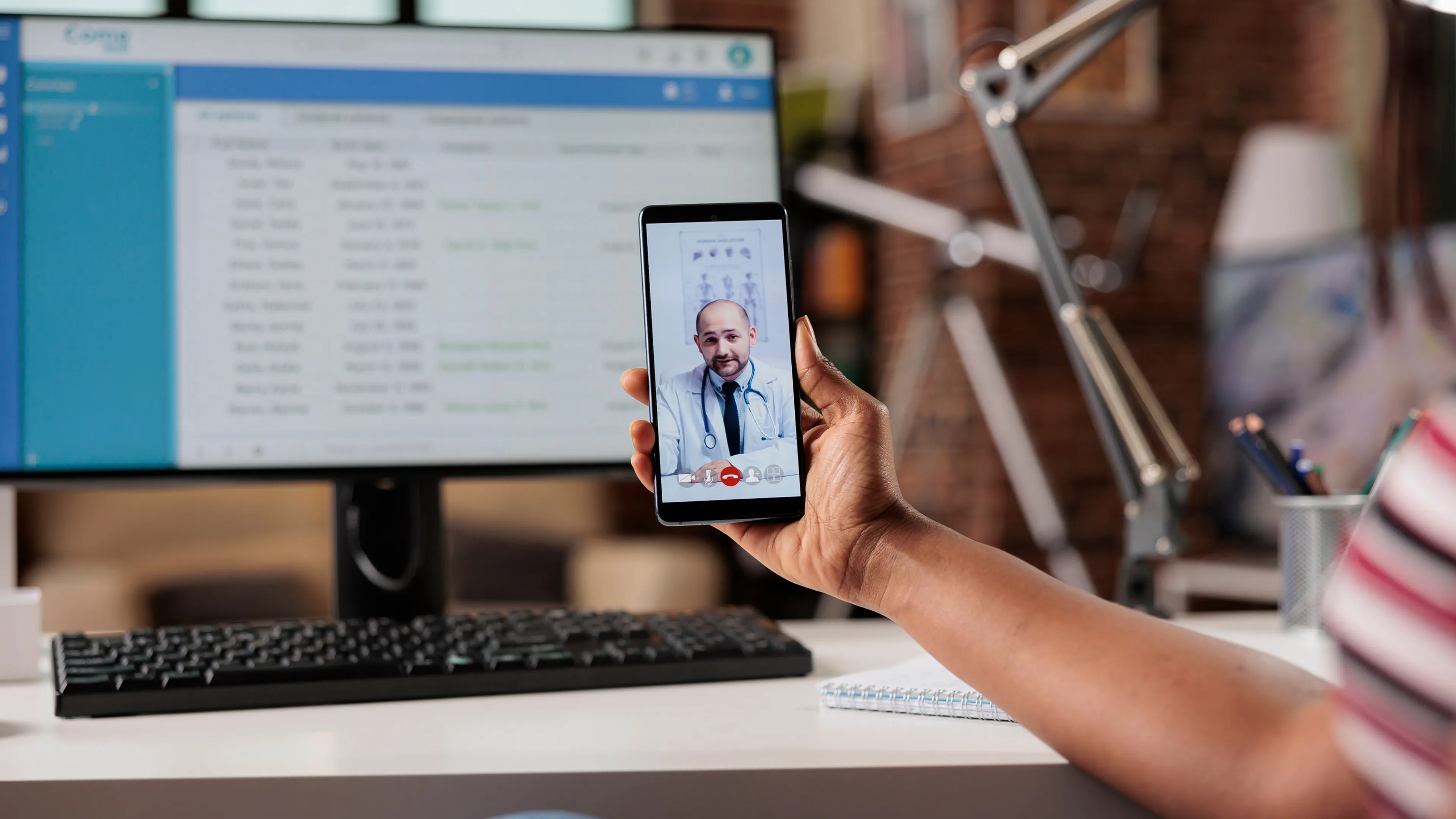
We load-test for the demand your platform will actually face — Monday-morning urgent volume, a public-health spike — not the average-day numbers.
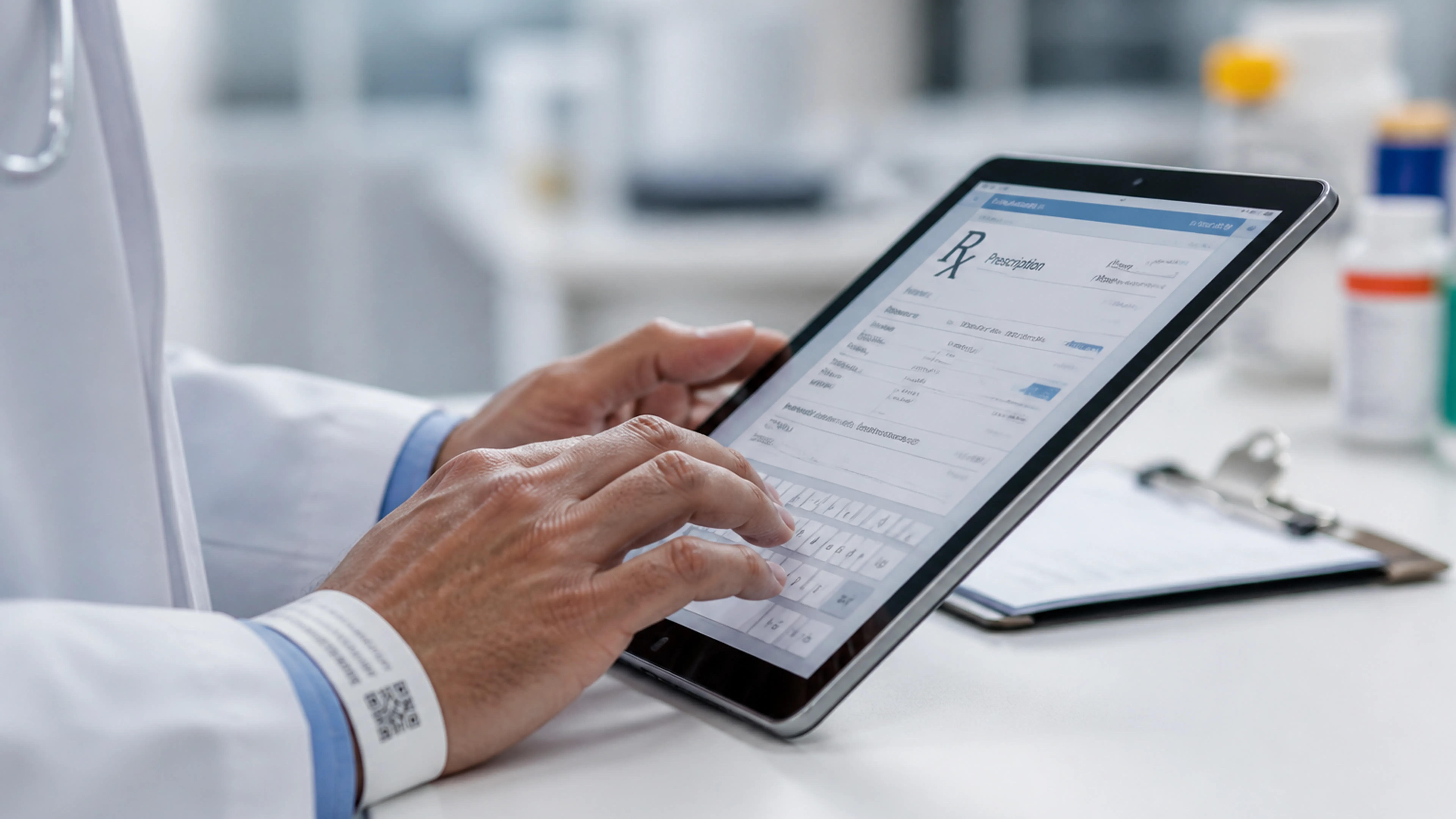
Telehealth rules vary by state. We map the requirements for every state in your service area during discovery — before any architecture decisions — and build all of them.

We plan every EHR, scheduling, billing, and pharmacy connection explicitly — what flows where, and what happens when it fails — and build them as first-class components.

We test with actual providers and patients before go-live. The issues that surface here are different from technical QA — and far cheaper to fix before launch.
Virtual care carries a heavier regulatory load than in-person care, and it varies by state. Every standard below is scoped in discovery and built in from the start.
PHI handling, encryption, access controls, and BAAs sitewide.
Independently audited security controls across the stack.
EPCS, Ryan Haight Act, DEA telehealth rules, and real-time PDMP.
Place-of-service codes and originating-site documentation for claims.
FHIR-compliant EHR exchange plus FCC Connected Care funding rules.
Usable by every patient and clinician, by design.
Who we build virtual care infrastructure for.
Whether you are building virtual care for the first time or fixing a platform that is not working, we will look at what you have and tell you straight what it will take. Thirty minutes. No pitch.
Start With a 30-Minute Call
100 Fastest Growth Companies
Global Spring Winner
Top App Development Company
AWS Partner Network
Google Cloud Partner
Highly Rated on Trustpilot
Verified Agency
Top App Development Company
ASSOCHAM Member
Those are generic tools you configure. A custom telemedicine platform is built around your clinical model — better workflow fit, integration depth, and compliance.
We map every state in your service area during discovery — prescribing rules, consent, documentation, PDMP — and build to all of them.
Yes — Epic, Cerner, Athenahealth, Meditech, eClinicalWorks, and proprietary systems. Scope is defined during discovery.
Four to seven months for a focused platform; eight to fourteen with RPM, multi-state compliance, and complex EHR integration.
Automatic reconnection without re-auth, audio-only fallback, and live session-quality monitoring for your team.
You do. Full IP transfer at close — source code and documentation. No per-consultation or licensing fees.