



What Healthcare Software Development Covers
Healthcare software development means building clinical and administrative systems around real workflows and the regulations that govern them. These are the six builds that make up most of our work, each linking to the detail.
EHR and EMR Systems
Custom electronic health records for specialties that off the shelf systems serve badly, plus modernization of platforms that no longer scale.
Interoperability and Integration
HL7 v2 and FHIR R4 connections into Epic, Oracle Health and athenahealth so your product exchanges data with the systems hospitals already run.
HIPAA Compliant Engineering
Encryption, access control, audit logging and breach response designed into the architecture before a health system security review, not bolted on after.
Patient Facing Applications
Portals, booking, digital intake and telehealth that patients actually use, integrated with your scheduling and clinical systems.
Revenue Cycle Systems
Eligibility, charge capture, claims and denial management automated with governed AI agents that keep a human on high stakes decisions.
Not Sure Where to Start
An assessment of your systems, integrations and compliance posture that ends with a roadmap you own, whether or not you build it with us.
Healthcare software development at Bonami starts from a clinical or administrative workflow that is costing you time, revenue or compliance risk — not from a template.
What We Actually Build
- Custom EHR and EMR systems, and modernization of clinical platforms that no longer scale.
- HL7 v2 and FHIR R4 integrations into Epic, Oracle Health, athenahealth and Meditech.
- Patient portals, digital intake, scheduling and telehealth that connect to your clinical systems.
- Revenue cycle software for eligibility, charge capture, claims and denial management.
- HIPAA compliant architecture — encryption, RBAC, audit logging and breach response, designed in from sprint one.
- Clinical AI: ambient documentation, medical coding support, imaging analysis and patient risk stratification.
What that looks like in practice
The systems these builds have to live inside, the standards they exchange data over, and what three of them delivered in production.
- Epic
- Oracle Health (Cerner)
- athenahealth
- Meditech
- NextGen
- eClinicalWorks
- Allscripts
- Proprietary / in-house
- HL7 v2
- FHIR R4
- SMART on FHIR
- C-CDA
- DICOM
- X12 EDI 837 / 835 / 270
- HIPAA
- SOC 2
Each figure links to the case study it came from.
Our Process
Healthcare Software Services We Actually Deliver
Secure, compliant healthcare software development for hospitals, clinics, and payers.
We map how care flows — intake to billing — then plan the portal, EHR integration, or platform you need.
Patient portals, telehealth, scheduling, and RCM built with audit logs and HL7/FHIR EHR integration.
Care coordination, eligibility checks, and documentation copilots wired to PACS, EHR, and claims.
We monitor peak-hour uptime, ship updates, and keep HIPAA and audit controls current as rules change.
Discovery & Clinical Workflow Mapping
We map how care flows — intake to billing — then plan the portal, EHR integration, or platform you need.
HIPAA-Compliant Build & Integration
Patient portals, telehealth, scheduling, and RCM built with audit logs and HL7/FHIR EHR integration.
Custom Clinical & Operational Tools
Care coordination, eligibility checks, and documentation copilots wired to PACS, EHR, and claims.
Ongoing Support, Compliance & Optimization
We monitor peak-hour uptime, ship updates, and keep HIPAA and audit controls current as rules change.
Most businesses jump into AI without checking if their data can actually support it. We'll help you identify what's missing, fix the gaps, and build a solid foundation before you invest.
Schedule Your Readiness Review
Healthcare Software We Have Shipped
Six builds already running in production — an EHR replacement, a state-scale FHIR registry, a telehealth platform, revenue cycle automation and imaging AI. Each links to the full case study.
 500 beds, one go-live
 500-Bed Hospital HMS Deployment
A 500-bed hospital replaced its 14-year-old legacy system across all departments in a single go-live, with 180 super users trained.
 2M patient records
 State Immunisation Registry at 2M Records
A FHIR-based state immunisation registry holding 2 million patient records, reaching 94% real-time submission within its first year.
 50,000 monthly users
 Telemedicine Platform: 0 to 50K Users
A specialty telemedicine platform built, launched and scaled to 50,000 monthly active users in under six months.
 98% collection rate
 Revenue Cycle Optimization to a 98% Collection Rate
End-to-end RCM automation lifted the collection rate to 98% and recovered $275K in annual revenue.
 <24 hr turnaround
 EHR-Embedded Prior Authorization Agent
An AI prior authorization agent inside the EHR cut turnaround from six days to under 24 hours and reclaimed 30+ staff hours a week.
 47 → 31 min ED reports
 Chest X-Ray AI Across Three Hospitals
FDA-cleared chest X-ray AI deployed across three facilities in production, cutting urgent ED report time from 47 to 31 minutes.
Words From Our Partners
They understood our vision from day one and delivered an AI copilot that our team actually loves using. The engineering quality and speed of delivery exceeded all our expectations.

Automating our workflows cut our turnaround time in half. Their team brought deep technical expertise and a collaborative approach that made the entire process seamless.

The AI-powered system they built dramatically reduced our processing times. Bonami consistently delivers production-ready solutions that scale with our growing business needs.

Healthcare Software and AI Solutions We Build
Six areas cover most healthcare software development work we take on. Each one is a live service with its own engineering detail — the chips link straight through.
Compliance and Security Standards We Follow
The regimes a health system security review actually tests against, handled from the first sprint rather than the week before go-live.






Compliance Support for Your Build
We document data flows, map controls and run security reviews each sprint, then hand over a full compliance package at go-live.
Discuss Compliance RequirementsWhat Sets Bonami Software Apart
in Healthcare Development
We start with your clinical workflows and compliance, not the tech stack — and measure work in care outcomes.
Compliance-First Engineering
HIPAA, HITECH, and SOC 2 controls, encryption, and audit logging are wired in from day one — not bolted on.
Built for Real Clinical Load
We engineer for concurrent encounters, slow hospital networks, and EHR or payer downtime.
Transparent, Clinician-Led Delivery
Working sessions with your clinical and IT leads, clear timelines, and no surprise invoices.
Recognition & Partnerships
Recognized by leading industry partners.

Clutch 100 Fastest Growing AI Company
2025
Clutch Verified Partner
2024
Clutch Global Spring 2025
2025
AppFutura Top Developer
2024
ASSOCHAM Startup Member
2025
AWS Partner
2020
GoodFirms Top AI Copilot Developer
2023
Google Cloud AI Partner
2022
Sortlist Top AI Agency
2024
Trustpilot AI Services Excellence
2021Technology Partnerships That Strengthen Our Solutions
We partner with leading technology providers to build solutions on proven, reliable platforms that integrate smoothly with your existing systems.


Automation Capabilities in
Healthcare Workflows
Where automation removes manual work in clinical and administrative operations: document processing, system sync, decision logic, and exception handling.

Extract and validate referrals, EOBs, prior-auth forms and scanned charts, with a human on anything low-confidence.

Keep the EHR, practice management, LIS and payer portals in sync over HL7, FHIR and X12.
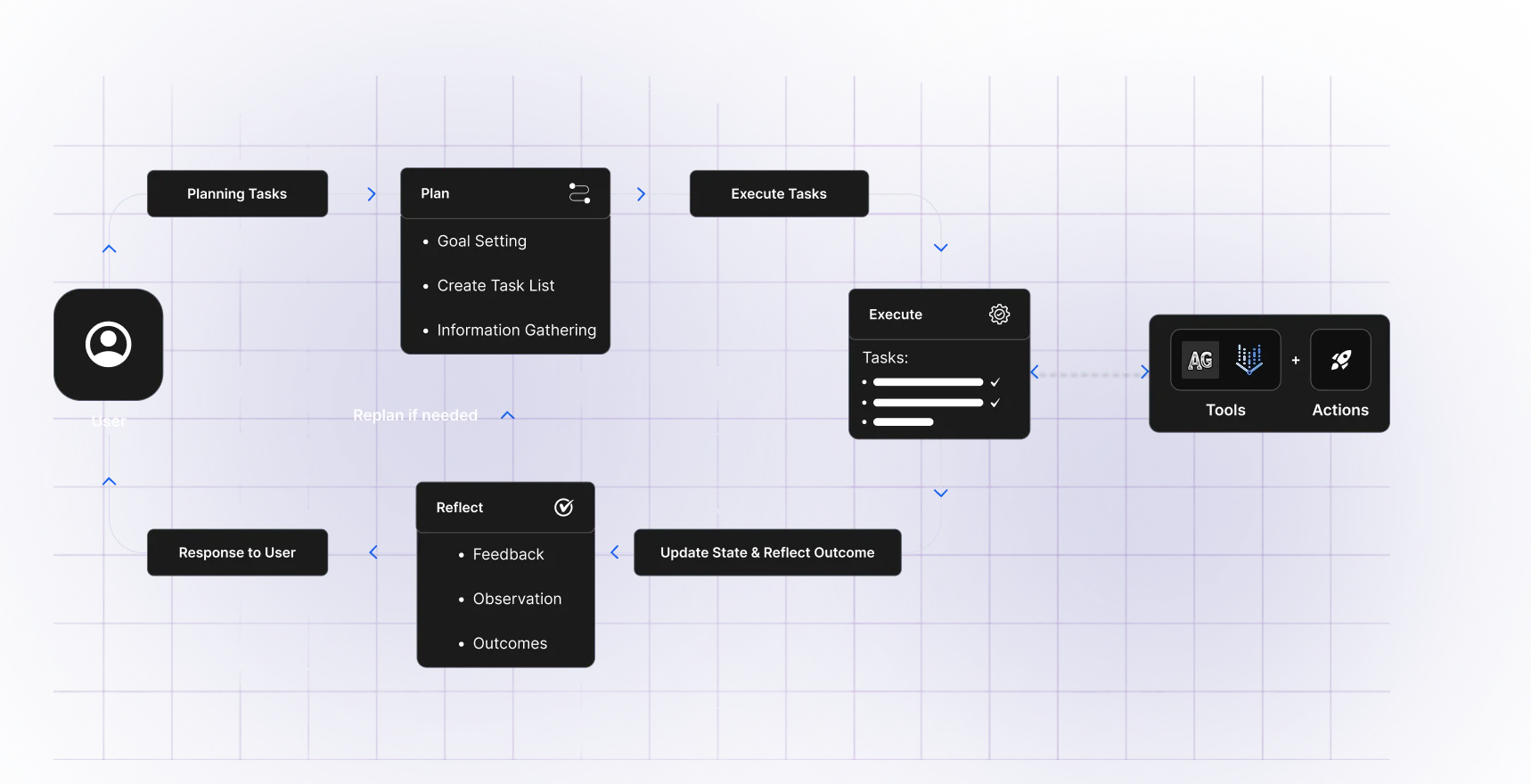
Route eligibility checks, authorisations and claim edits through your own clinical and billing rules.

Overnight claim batches, eligibility sweeps and reconciliation jobs run unattended.

Failed steps retry, the right staff member is alerted, and every action lands in an audit trail.

Track turnaround time, first-pass acceptance and error rates per workflow in real time.
The Tech Stack Behind Our Healthcare Solutions
Interoperability standards, HIPAA-eligible cloud, clinical AI tooling and the security layer that has to hold up in a health system review. Grouped the way we actually assemble a healthcare platform.
EHR & Interoperability
Standards and engines for exchanging clinical and claims data with EHRs, labs, payers and external systems.
- HL7 FHIR R4
- HL7 v2
- SMART on FHIR
- C-CDA
- DICOM
- X12 EDI (837 / 835 / 270)
- Mirth Connect
- Epic & Oracle Health APIs
HIPAA-Eligible Cloud
Cloud services and managed healthcare APIs that carry a BAA, with infrastructure defined in code so environments are reproducible and auditable.
- AWS (HIPAA eligible)
- Azure Health Data Services
- Google Cloud Healthcare API
- Kubernetes
- Docker
- Terraform
- PostgreSQL




AI & Clinical Tooling
Models and frameworks behind clinical NLP, medical imaging analysis, ambient documentation and patient-facing copilots — governed, with a clinician in the loop on high-stakes output.
- PyTorch
- TensorFlow
- Python
- OpenAI & Azure OpenAI
- Clinical NLP (cTAKES, MedCAT)
- MONAI (medical imaging)




Security, Audit & Monitoring
PHI encrypted, every access logged, platform health visible — so audits, breach response and outage triage are routine rather than fire drills.
- OAuth 2.0 / OIDC
- Okta
- HashiCorp Vault
- PHI encryption (KMS)
- Datadog
- Grafana
- Prometheus
- Elasticsearch
- Immutable audit logs






Every engagement starts from your existing stack. If your systems are not on this list, we scope the integration before quoting the build.
Ready to build healthcare software that fits your workflows?
Tell us the clinical or administrative workflow that is not working. We will map it to a build, name the integrations and compliance requirements it touches, and give you a realistic scope before you commit.
Talk to a Healthcare Engineer
How We Deliver
Healthcare Solutions
Delivery built around clinical workflows and compliance.
Discovery & Compliance Scoping
Workflow mapping and HIPAA / SOC 2 scoping.
Solution Design & Integration Plan
Architecture plus EHR, lab, and claims integration plan.
HIPAA-Compliant Build & Configuration
Encryption, audit logging, and HL7 / FHIR adapters.
Clinical Validation & UAT
Providers validate real clinical scenarios pre-go-live.
Deployment & Provider Training
Low-disruption rollout with hands-on clinician training.
Monitoring, Audit & Continuous Improvement
Uptime, PHI access, and quarterly compliance reviews.


Repetitive clinical and administrative tasks, data entry, documentation, report generation, scheduling, and billing workflows can be automated with AI powered tools built into the platform.
Our healthcare software development covers patient portals, provider dashboards, interoperable integrations, and clinical analytics built around your real workflows. We deliver custom healthcare software with privacy by design and compliance considered from the first sprint. Engagements range from a focused single workflow tool to a full enterprise care management platform. You get a clear timeline after discovery and a team that stays through go live.
Custom healthcare software from Bonami connects to systems like Epic, Cerner, Athenahealth, and Meditech, along with proprietary platforms. We work with HL7 v2, FHIR R4, and custom APIs so your clinical staff is not forced to work around the technology. Interoperability is treated as a core requirement rather than an afterthought. The result is data that flows cleanly between your tools without manual rekeying.
Yes. HIPAA compliant software development is part of our process, not a final review step. We document data flows, implement appropriate access controls, and run security reviews each sprint as part of our healthcare software development work. At go live we deliver a full compliance package so your team can move forward with confidence.
Yes. Our medical software development experience includes AI for clinical documentation, medical coding, diagnostic support, patient risk stratification, and appointment scheduling. We are realistic about where AI genuinely helps and where it creates more problems than it solves. Every model is built with the same privacy and compliance discipline as the rest of the platform. That keeps your healthcare software development effort both useful and safe.
There is no useful list price, because the cost of healthcare software development is driven by four things: how many integrations you need and how cooperative those systems are, how much of your workflow is regulated, whether you are building net new or modernising something that already carries live patient data, and how much of the work your own team will take on. A single-workflow tool sitting on top of an existing EHR is a different order of magnitude from a multi-site platform with its own clinical data model. We scope after discovery and give you a fixed range before you commit, so the number you see is tied to a named list of integrations and compliance requirements rather than an average.
Discovery runs two to four weeks and ends with a roadmap you own. From there, a focused tool built on top of systems you already run typically reaches a usable first release inside a quarter, while a full clinical or revenue cycle platform is measured in quarters rather than weeks. The variable that moves the date most is rarely engineering — it is how quickly the vendor whose system you need to integrate with grants API access and completes their security review. We flag those dependencies during discovery so the timeline you get already accounts for them.
Yes. The work splits roughly into three: providers and health systems modernising clinical or administrative platforms, digital health and healthtech companies building a product they will sell, and payers automating claims and utilisation workflows. The compliance discipline is the same across all three, but the shape of the engagement is not. A startup usually needs a defensible MVP and HIPAA-ready infrastructure it can put in front of an enterprise buyer; a health system usually needs migration off something that already holds live patient data without a service interruption.
Yes. Our healthcare app development covers patient facing apps, provider tools, and connected experiences across web and mobile. These apps tie into the same custom healthcare software backend, so patient portals and provider dashboards share one source of truth. We design for usability so clinical staff and patients adopt the product rather than work around it. After launch we monitor performance and run regular improvement cycles based on how people actually use it.